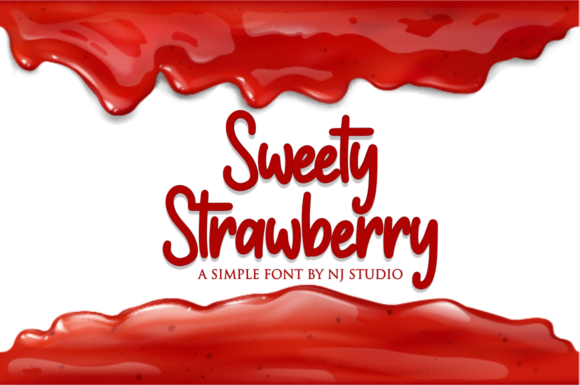
Sweety Strawberry: A Font for Friendly Design
Imagine a typeface that instantly communicates warmth, approachability, and a touch of playful charm. This is the power of a well-chosen handwritten font like Sweety Strawberry, a design asset crafted to inject personality and friendliness into a multitude of creative projects. In the realm of graphic design, typography is not merely about legibility; it is a fundamental pillar of visual communication and brand identity. Selecting the right font can elevate a design from mundane to memorable, creating an immediate emotional connection with the audience.
Understanding the Role of Friendly Typography
Modern aesthetics in design often seek to bridge the gap between professional polish and human relatability. A font like Sweety Strawberry excels in this space. Its casual, handwritten style avoids the coldness of rigid corporate typefaces, making it ideal for brands and projects aiming for a personable, authentic voice. This type of typography plays a crucial role in visual hierarchy, drawing the eye to key messages while setting a specific tone. When used thoughtfully, it enhances user engagement by making content feel more accessible and less intimidating.
Practical Applications Across Design Projects
The versatility of a friendly handwritten font is one of its greatest strengths. Its application spans numerous areas within graphic design, each benefiting from its unique character.
- Branding and Logo Design: For brands in lifestyle, beauty, food, or artisanal sectors, a font like Sweety Strawberry can form the core of a logo, instantly conveying a welcoming and creative spirit. It helps build a brand identity that feels genuine and approachable.
- Marketing Materials and Social Media: In digital marketing, capturing attention quickly is key. This font is perfect for social media graphics, email headers, and promotional banners. It adds personality to calls-to-action and quotes, increasing shareability and click-through rates.
- Editorial and Web Design: Used strategically in headings, subheadings, or pull quotes in editorial layouts or on websites, it can break up dense text, add visual interest, and guide the reader's journey, improving overall UX design by making content more scannable and engaging.
- Packaging and Merchandise: Product packaging and merchandise design thrive on shelf appeal. A handwritten font can make a product feel handmade, special, and trustworthy, directly influencing purchasing decisions and enhancing the unboxing experience.
Integrating Creative Assets Effectively
Merely having a great font is not enough; its effective integration into a design workflow is what yields professional results. When incorporating a typeface like Sweety Strawberry, consider its compatibility with your existing color palette and imagery. It pairs beautifully with clean, sans-serif fonts for body text, creating a balanced visual hierarchy that is both dynamic and readable. Always test its scalability across different mediums—from a small favicon to a large poster—to ensure it maintains its charm and clarity. Remember, the goal is to support your message, not overshadow it. Thoughtful application ensures the font enhances the user experience and contributes to a cohesive, polished presentation.
Ultimately, the creative assets you choose are direct reflections of your project's quality and intent. Investing in high-caliber design resources like thoughtfully crafted fonts empowers creators to communicate more effectively, build stronger brand identities, and produce work that resonates deeply. In a landscape saturated with content, the careful curation of typography and visual elements is what separates a good design from a truly great one, making every creative decision a step toward clearer, more impactful communication.