Oh My Teddy: A Handwritten Font for Creative Projects
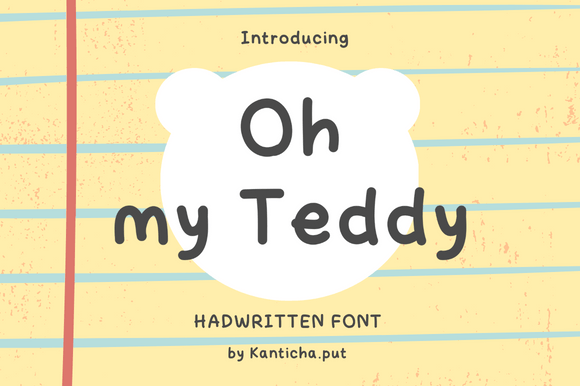
Looking for a typeface that instantly injects warmth, personality, and a touch of playfulness into your designs? Oh My Teddy is a fun and casual handwritten font that delivers just that. This font is suitable for a wide pool of design ideas, making it a versatile asset for any creative professional's toolkit. Its organic, hand-drawn feel bridges the gap between professional polish and authentic charm, offering a solution for projects that need to feel approachable and human.
Why Typography Choice Matters in Modern Design
In graphic design, typography is a fundamental pillar of visual communication. The right font does more than display words; it sets a tone, evokes emotion, and guides the viewer's experience. While sleek, minimalist sans-serifs dominate modern aesthetics, there's a growing trend toward designs that feel more personal and relatable. This is where a font like Oh My Teddy excels. It counters the coldness of purely digital interfaces, helping brands and creators establish a stronger, more human connection with their audience. Choosing the right typeface is a critical decision in building a coherent brand identity and ensuring your message resonates.
Practical Applications for Oh My Teddy
The casual, handwritten style of Oh My Teddy opens up numerous possibilities across various design disciplines. Its strength lies in its ability to soften formal content and add a layer of friendliness. Consider its use in the following contexts:
- Branding & Logo Design: Ideal for businesses targeting a younger demographic, lifestyle brands, cafes, bakeries, or any service that wants to project a welcoming and informal vibe. It works beautifully in wordmarks or as a complementary font in a larger brand system.
- Marketing & Social Media Graphics: Grabs attention in a crowded digital feed. Use it for quotes, call-to-action buttons, sale announcements, or Instagram stories to create eye-catching, shareable content that feels native to the platform.
- Packaging & Product Design: Perfect for labels on artisanal goods, children's products, or specialty items. It suggests craftsmanship and care, enhancing the unboxing experience.
- Web & UI Design: When used sparingly for headings, buttons, or specific UI elements, it can add personality to a website or app without compromising readability for body text.
- Editorial & Print Design: Brings life to magazine features, event posters, greeting cards, or book covers, especially in genres like children's literature, lifestyle blogs, or DIY guides.
Tips for Effective Implementation
While a playful font is a powerful tool, strategic use is key to maintaining a professional presentation. Here are some practical tips for integrating Oh My Teddy into your design workflow:
- Prioritize Readability: Handwritten fonts can be challenging to read in long paragraphs. Use Oh My Teddy for headlines, subheadings, or short bursts of text. Pair it with a clean, highly legible sans-serif or serif font for body copy to establish a clear visual hierarchy.
- Consider Your Audience: Ensure the font's casual tone aligns with your brand's voice and your audience's expectations. It may not be the best fit for a corporate law firm, but it could be perfect for a creative agency or a children's educational platform.
- Test for Scalability: Check how the font renders at different sizes, from a small website button to a large printed banner. Ensure the details remain crisp and the character forms stay legible.
- Harmonize with Color and Imagery: The font's friendly nature pairs well with warm color palettes, soft pastels, or vibrant pops of color. Complement it with imagery that has a similar organic or handmade quality for a cohesive design.
Ultimately, the most compelling designs are those that communicate effectively and authentically. Thoughtful typography is a cornerstone of this effort, directly influencing how your content is perceived and understood. Investing in quality creative assets like a well-crafted font allows you to elevate your projects, ensuring they are not only visually appealing but also strategically sound. By making deliberate choices that align with your design goals, you can transform a simple message into a memorable and engaging experience for your audience.