Crayon Hand: The Handwritten Font for Authentic Design
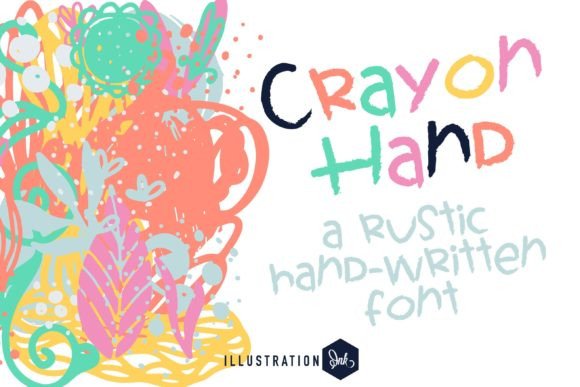
In a digital world saturated with sterile, perfect vectors, a single, textured stroke of a crayon can cut through the noise with startling authenticity. This is the power of a typeface like Crayon Hand, a textured, handwritten font that masterfully replicates the charming, imperfect feel of crayon on textured paper. For graphic designers, marketers, and creative professionals, it’s more than just a novelty; it’s a strategic asset for injecting personality, warmth, and a human touch into any visual project.
Why Textured Typography Matters in Modern Design
Contemporary design trends increasingly favor organic, human-centric aesthetics. Crayon Hand sits at the heart of this movement, offering a direct counterpoint to the cold precision of geometric sans-serifs. Its value lies in its ability to evoke immediate emotional responses—nostalgia, playfulness, creativity, and approachability. In branding, this translates to stronger connections with audiences. In marketing, it enhances message retention by feeling less like an advertisement and more like a personal note. This font doesn't just display words; it communicates feeling and texture, making it a powerful tool for effective visual communication.
Practical Applications for Crayon Hand
Its versatility is surprising, lending itself to a wide array of creative projects where a human element is desired.
- Branding & Logo Design: Ideal for brands targeting families, children, artisans, or any business wanting to project friendliness and creativity. It can define a brand identity for bakeries, craft studios, educational apps, or indie publishers.
- Marketing & Social Media: Creates standout headlines, call-to-action buttons, and quote graphics for social media platforms. It adds a personal, handcrafted feel to digital marketing materials, increasing engagement.
- Packaging & Product Design: Perfect for labeling artisanal goods, children's products, or specialty items. The texture suggests care and uniqueness, enhancing perceived value.
- Editorial & Web Design: Use it sparingly for pull quotes, section headers, or special feature titles in magazines, blogs, or websites to break visual monotony and guide the reader's eye with a playful rhythm.
- Digital Products & Presentations: Elevates slide decks, e-books, and online course materials, making them feel more engaging and less corporate.
Integrating Crayon Hand into Your Design Workflow
Effectively using a display font like this requires thoughtful application. Consider these factors to ensure it enhances rather than hinders your design.
Prioritize Readability and Context: Reserve Crayon Hand for headlines, logos, or short bursts of text. Its textured detail makes it challenging for long body copy. Always pair it with a clean, highly legible sans-serif or serif font for paragraphs to maintain a clear visual hierarchy.
Mind Your Audience and Goals: Does the playful, informal tone align with your project's message and target demographic? It’s perfect for a children's brand but may not suit a law firm. Understanding design goals is crucial for selecting the right creative assets.
Test for Scalability and Compatibility: Check how the font renders at various sizes, from a tiny favicon to a large poster. Ensure its color and texture complement your existing color palette and other design elements. A successful design system maintains consistency across all touchpoints.
Balance with Other Visual Elements: Let the font be a star, but not the only one. Pair it with high-quality imagery, a considered color scheme, and ample white space. The goal is a cohesive composition where the typography supports the overall aesthetic, not overwhelms it.
Ultimately, the most impactful designs are those that feel intentional and authentic. Tools like Crayon Hand provide the raw material, but it is the designer's skill in application—balancing creativity with clarity, personality with professionalism—that transforms a good idea into a great visual experience. By thoughtfully integrating such quality assets, you elevate not just the aesthetics of your work, but its power to communicate and connect.